 Global
Changing the "norms" of the ocean
── The path toward full-scale yellowtail farming has begun
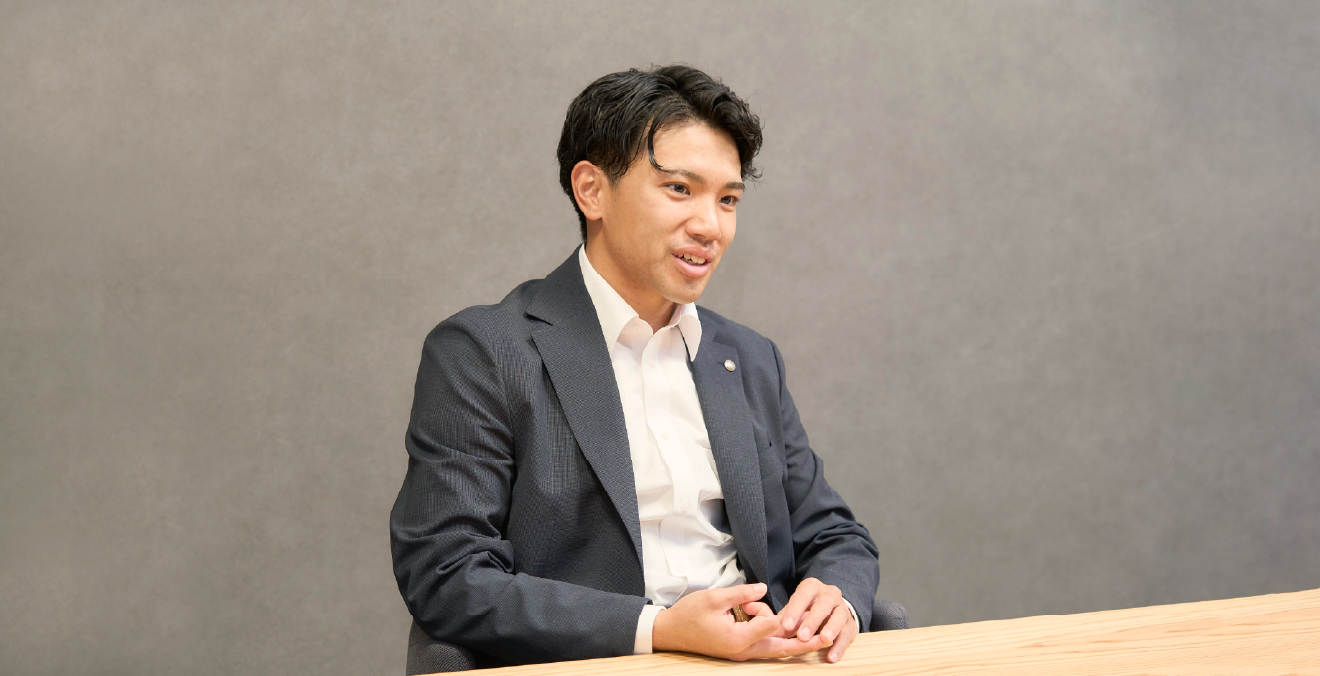
“We want to continue delivering delicious sushi that customers can easily enjoy.” Driven by this vision, F&LC is undertaking a project upstream. Through “Marine Birth,”a joint venture with Takuyo, we are taking on the challenge of producing yellowtail using artificially bred fry (*).We visited the site of this project, which aims to fundamentally transform the structure of yellowtail farming—a sector that has long relied on wild fry. We spoke with Kaito Ozawa of F&LC’s Product Business Strategy Department.
(*Artificially produced fry: juvenile fish born artificially from aquaculture parent fish)
Profile
: F&LC; Product Business Strategy Department, Kaito Ozawa—Conducted research in
aquatic chemistry at Hokkaido University Graduate School. As the lead person responsible for the establishment of Marine Birth, he has been in charge of the project from its inception.
*Affiliations and titles are as of the time of the interview.
Discovering the Power of “Delicious”
―― I heard that you were conducting research in the field of fisheries. Could you tell me how you came to join F&LC?
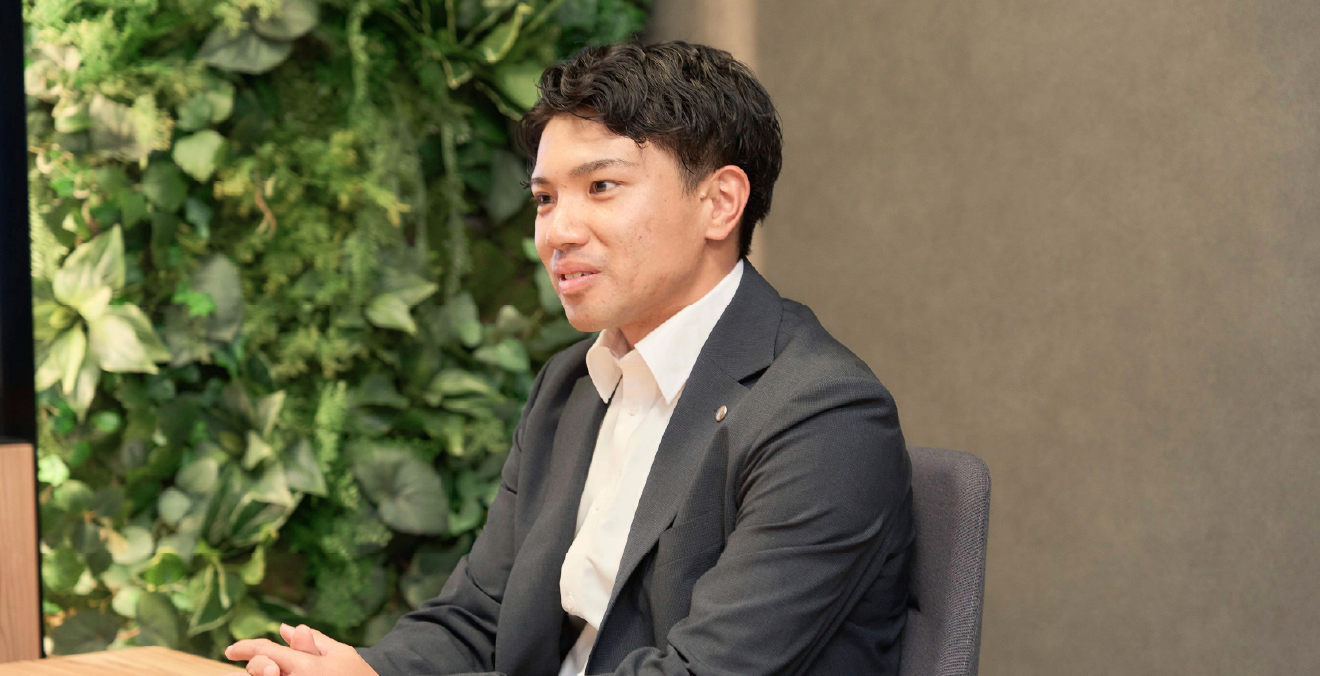
In graduate school, I was researching the analysis of the main components of seafood. I would dive into the ocean to collect samples and conduct my research with my professor’s guidance. It was a valuable experience in itself, but one day, when I had the opportunity to present my findings to a representative from the fishing cooperative, he said to me, “I understand your research. But you know, whether it tastes good is what really matters.”
It really struck me. The sensation of “deliciousness” comes across so directly. I realized just how powerful that is. I wanted to work somewhere where I could be involved in the entire process—from upstream research and procurement all the way to the moment our customers experience that “deliciousness”—and that’s why I joined F&LC.
The harsh reality revealed by the severe shortage of Mojako
The fishing industry is currently undergoing a major transformation. Climate change has altered the distribution of sea temperatures, causing the types and quantities of fish caught to fluctuate from year to year. At F&LC, we believed that in order to continue delivering a stable supply to our customers, we needed to move beyond relying solely on nature for our sourcing, and we had been exploring sustainable sourcing methods from various perspectives. It was during this time that a pivotal event occurred.
―― How did Marine Birth come to be established?
Eight to nine out of ten farmed yellowtail in Japan rely on wild fry. The aquaculture process begins when fishermen catch these small fry—known as “mojako”—which drift on seaweed into Japanese coastal waters. However, catch volumes fluctuate significantly from year to year.In 2021, a severe catch failure occurred, with the harvest dropping to about 60% of the annual average. This suddenly brought into sharp focus the risk that without a supply of wild fry, the aquaculture industry itself would become unsustainable.
On the other hand, nearly 100% of red sea bream stock has already been switched to artificially produced fry. Because production can be planned in advance, it is less susceptible to market fluctuations, making it a stable business. Marine Birth began with the question of whether the same could be achieved with yellowtail.
Marine Birth is a joint venture between F&LC and Takuyo, a company that handles the integrated farming of red sea bream and bluefin tuna from the fry stage onward. The company was established in 2022. At that time, the infrastructure for a stable, commercial-scale supply of artificially produced yellowtail fry had not yet been established, so we began by supplying the red sea bream fry produced by Takuyo to our partner producers.
―― So you were also conducting research on artificial sea bream fry at the same time, weren’t you?
Yes. While Takuyo has been conducting research and production of artificially bred yellowtail fry, we have also utilized the technology transfer program run by the National Institute of Fisheries Science to refine our fry production techniques under direct technical guidance from the institute.The government has set a goal of achieving 100% artificial production of yellowtail fry by 2050, and the public and private sectors are collaborating to advance this field. By leveraging this support, we have finally managed to begin selling artificial fry approximately three years after our establishment.
―― You first started selling artificially bred bream fry in 2025, didn’t you?
Yes. Our first partner was Owase Bussan, based in Owase City, Mie Prefecture. Since the use of artificially produced fry is still a relatively new initiative, many aquaculture operators were taking a wait-and-see approach, but Owase Bussan joined us from the very beginning.
Owase: A Visit to a Fish Farm
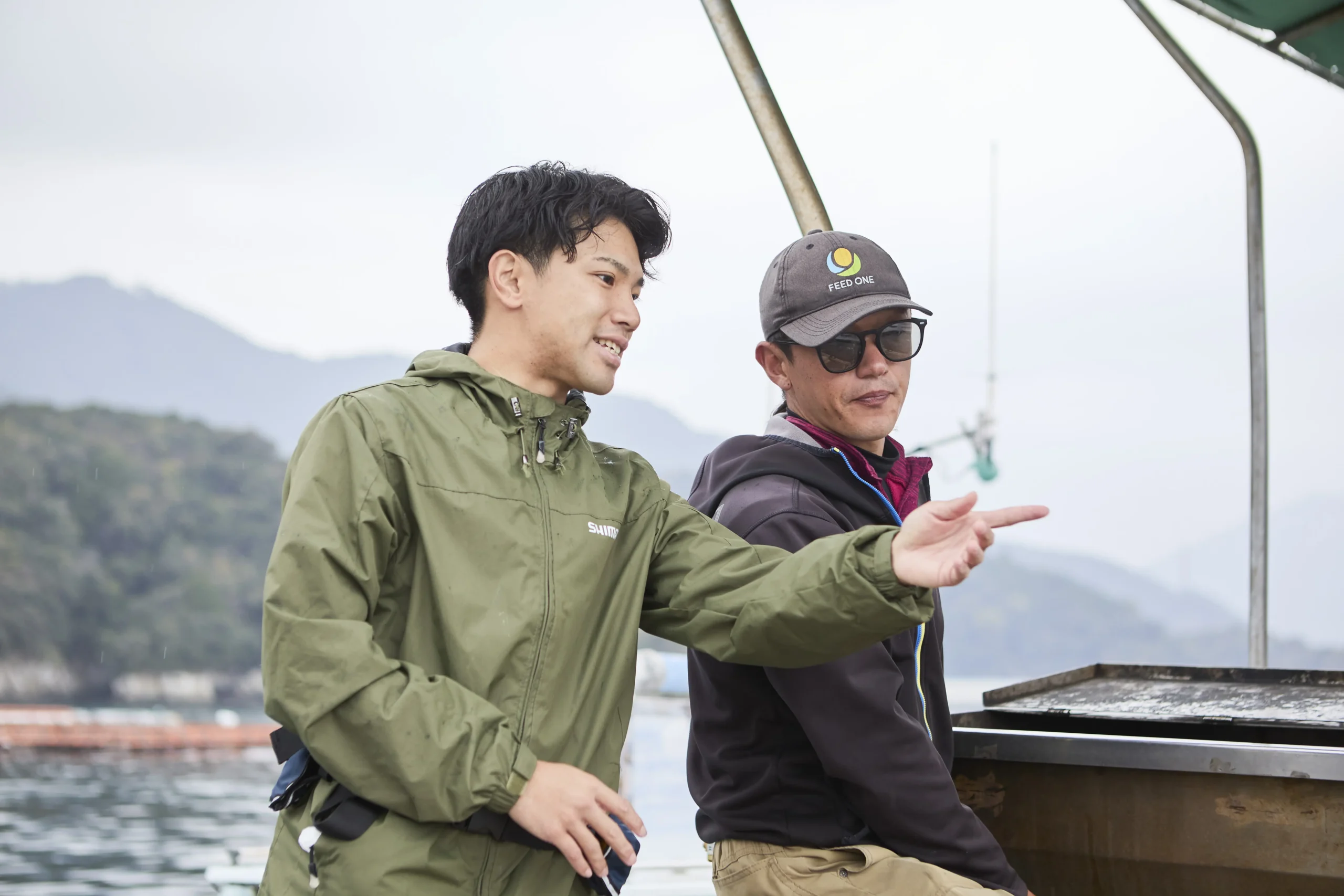
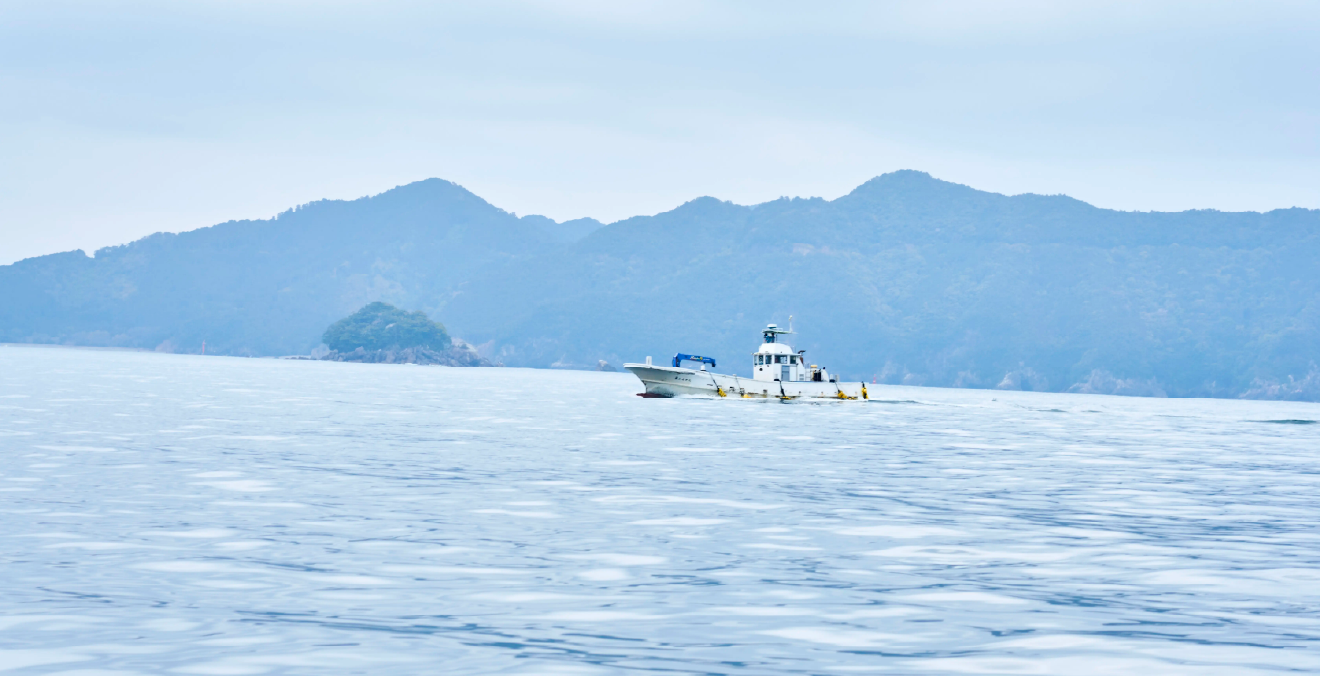
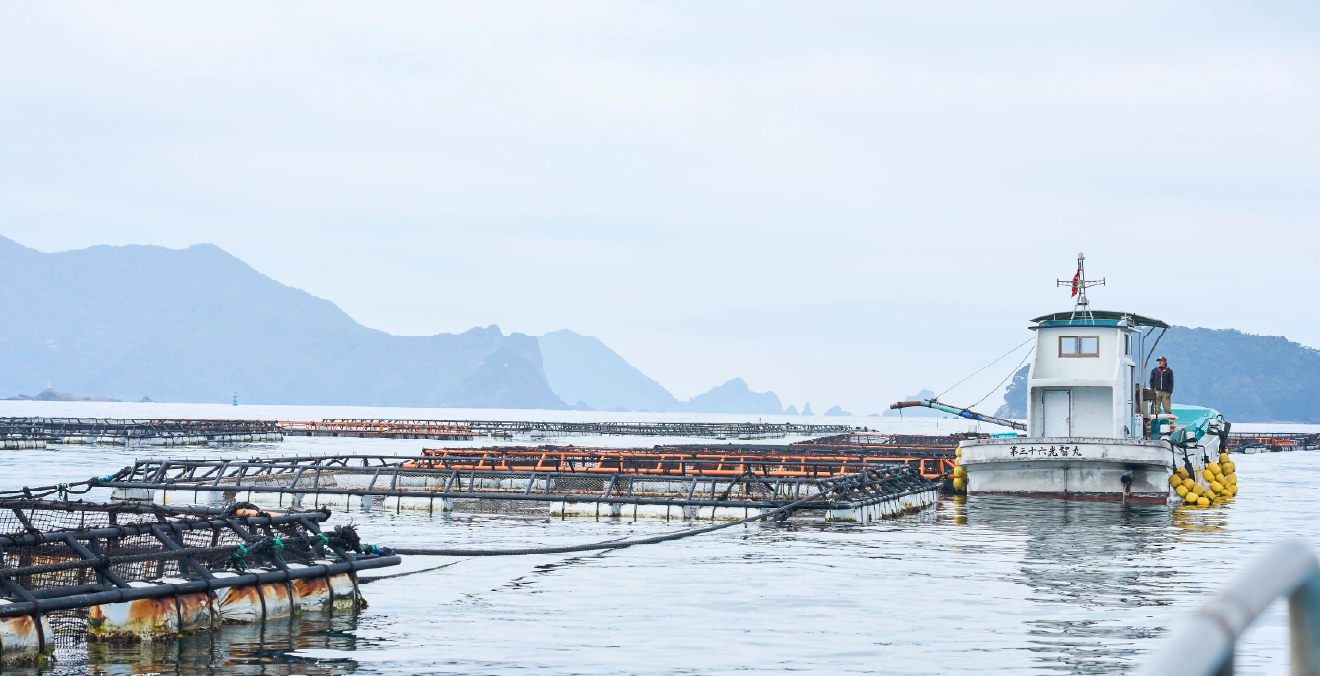
Owase Port in Owase City, Mie Prefecture—an old fishing town situated along the rias coastline facing the Kumano Sea. Rows of fish cages line the calm waters of the indented bay.
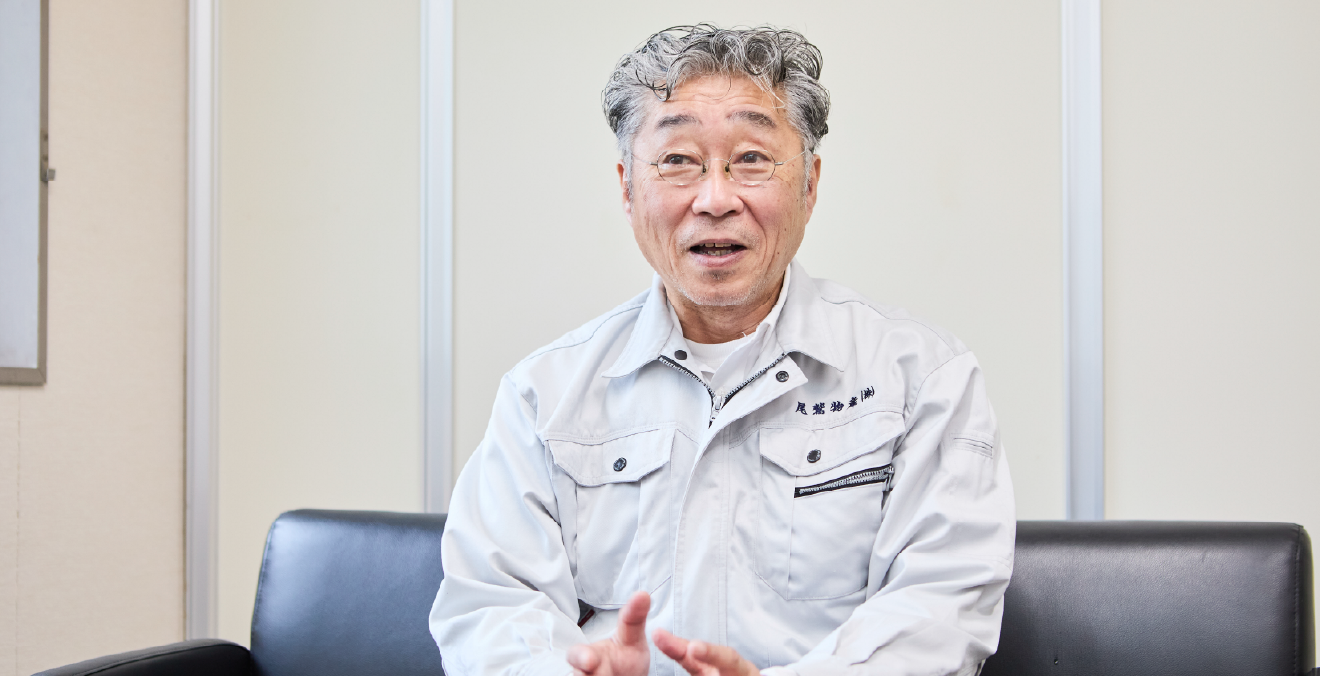
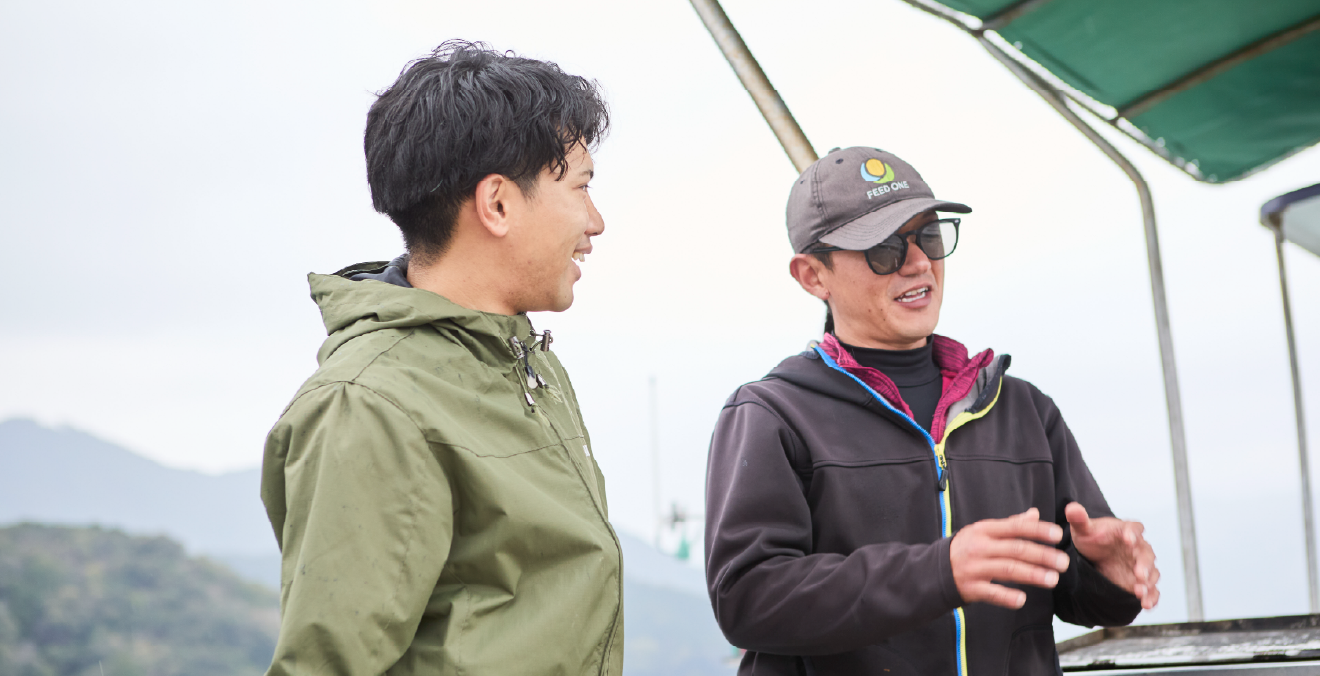
The expertise of those working on the front lines is essential to ensuring that the technology developed in the laboratory reaches customers in the form of delicious fish. We spoke with Takuya Tamamoto, Executive Managing Director of Owase Bussan, a comprehensive fisheries company, to learn about his experiences raising artificially produced fry in the field.
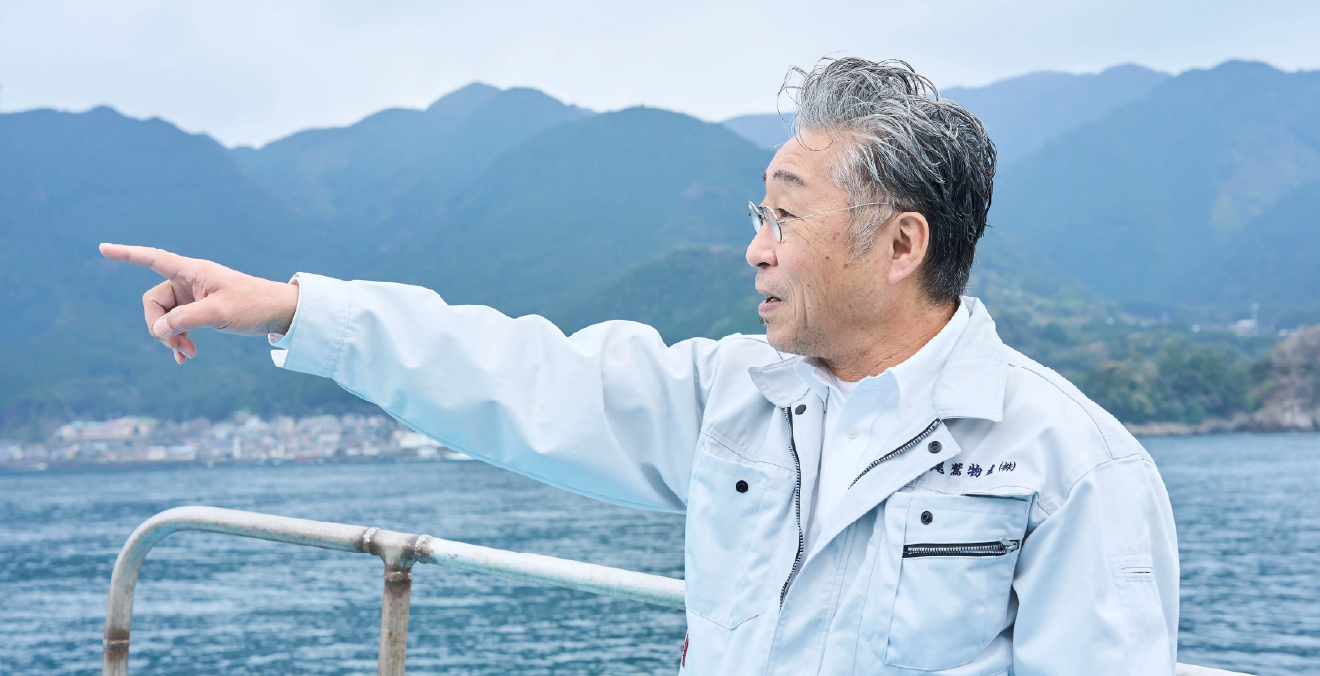
―― Please tell us why you decided to introduce artificial seedlings.
Full-scale aquaculture is already the norm for red sea bream, flounder, and tiger pufferfish. I’ve believed for over 20 years that yellowtail would eventually follow suit. When I considered the future of the yellowtail aquaculture industry as a whole, there was simply no option but to get involved.
―― Now that you’ve actually grown them, what are your impressions of the artificial seedlings?
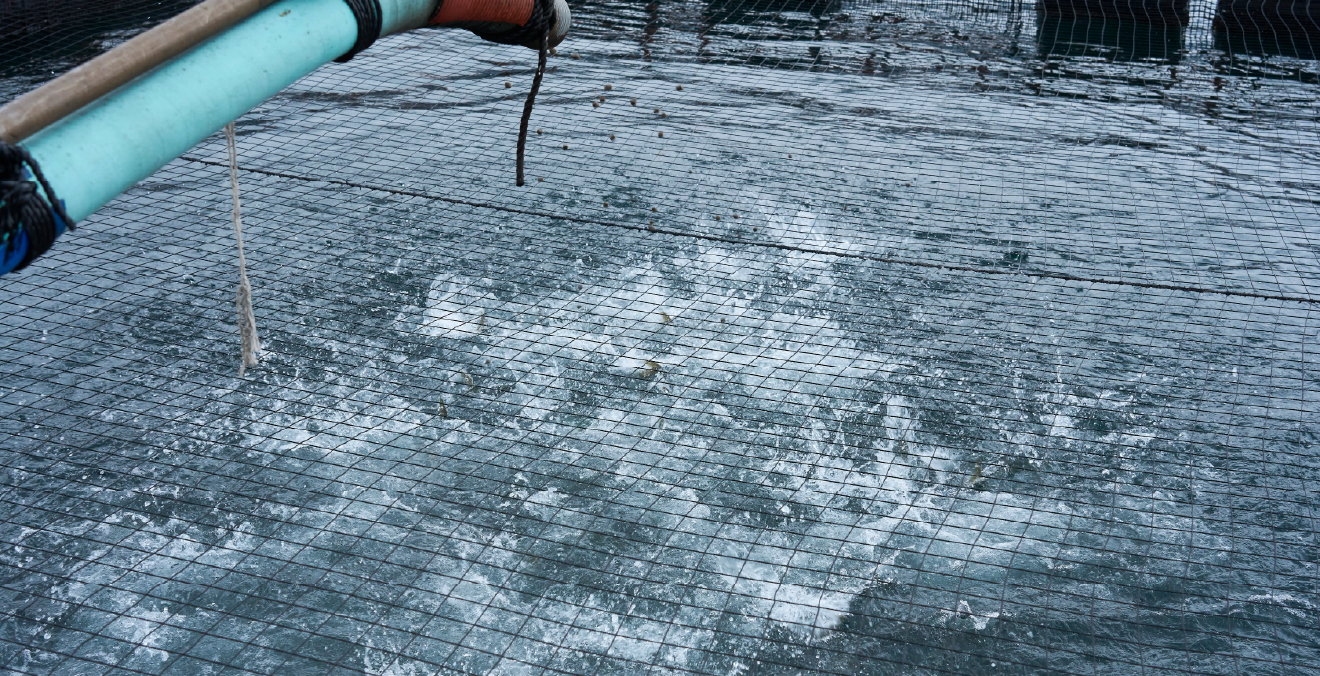
We received them as fry last June and have raised them for about nine months; they have now grown to a size nearly identical to that of wild fish. What was particularly interesting was that even during the winter, when water temperatures were low and the wild fish were reluctant to eat, the artificially reared fry continued to feed steadily. It is precisely because this is our first attempt at this project that we are able to make discoveries like this.
―― What are your thoughts on the partnership with F&LC?
Once we have established a stable quality control and shipping system, we will be able to deliver delicious, high-quality fish at more affordable prices. Since the yellowtail we raise is already being shipped to F&LC’s overseas stores, I feel that the significance of these efforts will grow as our distribution network expands.
―― Do you think the use of artificially produced sea bream fry will spread throughout the industry in the future?
I agree. The catch of wild juvenile fish fluctuates greatly from year to year, and even a slight shift in spawning locations or timing can make them impossible to catch. These are factors beyond human control.
On the other hand, for red sea bream and Atlantic salmon, artificially produced fry have already become the industry standard, and there is no movement toward a return to wild fry.
We hope that Marine Birth will utilize cutting-edge technology to produce the best possible fry in the shortest possible time. We, too, will continue to refine our rearing techniques to suit these artificially produced fry. We believe that full-cycle aquaculture of yellowtail can only be achieved when both the producers of the fry and those who raise them make progress.
The Path to Fully Controlled Aquaculture: What Lies Ahead
After finishing our interview at Owase Bussan, I asked Ozawa once again about his future plans.
―― How long will it take to achieve full-scale aquaculture at Marine Birth?
The artificially produced fry we are currently raising are expected to reach maturity around 2027–2028. Once they serve as broodstock and produce the next generation of fry, we will finally be able to call this a fully closed-loop aquaculture system. Since a single generation of yellowtail takes about three years to mature, this will require a long-term commitment spanning multiple generations.
Meanwhile, through a joint research project with Platinum Bio—a biotechnology company spun off from Hiroshima University and backed by F&LC—we are conducting research to decode the genomes of fish currently being raised for selective breeding (*). We are gradually gaining insight into the genetic traits of individuals that grow more easily. By applying these technologies to our breeding programs, we will be able to deliver delicious, high-quality fish to our customers more efficiently.
(*Selective breeding: A method in which only individuals with desirable traits are selected as parents to pass those traits on to the next generation)
While the quality of wild fry depends entirely on nature and therefore remains constant, the quality of artificially bred fry can be improved with each successive generation. It is precisely this potential for improvement that is the greatest strength of artificially bred fry.
To continue delivering delicious sushi in the future
―― Finally, please tell us what you hope to achieve through this initiative.
F&LC sells much of the fish raised by our partner producers in our stores. We want to work together to create an environment where producers can focus on aquaculture with peace of mind, free from the fluctuations of market conditions. F&LC’s vision includes the words, “Let’s transform the deliciousness of everyday life. Let’s spread joy throughout the world.” However, as our reach expands, a stable supply system becomes increasingly important. That is precisely why planned production using artificially bred fry is essential.
We want to continue delivering delicious sushi to our customers for the next 10 years and beyond. It was only because we had partners like Owase Bussan who were willing to take that first step with us that we were able to launch our aquaculture initiative. We would be delighted to meet producers who are willing to work with us on aquaculture projects involving various fish species and in various regions, in addition to yellowtail. We still have a long way to go, but we intend to move forward one step at a time.